Dancing Queer History
In summer 2026 I was the Social Practice Artist in Residence at Emmanuel College, Boston — where I worked with dancers to create art that draws on embodied queer dance experience. This practice is ongoing; if you want to get involved or you’d like a Dancing Queer History art experience at your next queer dance event, please do get in touch!
For regular updates please follow this project on social media:
From 24 October 2026 - 9 January 2027, Dancing Queer History is part of the exhibition ‘New Ceremonies’ at John Hansard Gallery, Southampton. The exhibition, which I’ve curated, features newly commissioned and recent work by Mal Parry, Bean Yazzie, and me, bringing together our distinct artistic practices to reveal our shared commitment to reaching beyond the gaps, failures, and violences embedded within archives to find queer joy.
Sometimes scandalous, sometimes utopian, and sometimes the simple result of circumstance or opportunity, queer history hides in plain sight throughout the living tradition of Anglo-American social folk dance.
In this project, I offer a taste of the ways in which queerness pervades social folk dance in the long, living Playford tradition, from England to America and back — just as it is ubiquitous in society itself. As a research project, Dancing Queer History operates in four modes: choreography, history, visual art, and language.
Throughout the 17th, 18th, and 19th centuries, dances were used to mark, allude to, or celebrate current events and popular culture. In other words, although the dance figures were generic and mostly described when published in terms of binary, heterosexual couples, the stories they told sometimes strayed intentionally far from that norm.
Dance can be structurally queer or gender-bending, either by virtue of the performer or the choreography — and audiences from the 17th century to the 21st have embraced these experiments.
Gender-free calling is increasingly the norm for social folk dancing around the world. I pioneered the use of positional calling for contra dance in the late 20-teens. Positional calling invites us to use what we know about dance structure, momentum, and flow to teach and call for diverse dancers effectively and efficiently.
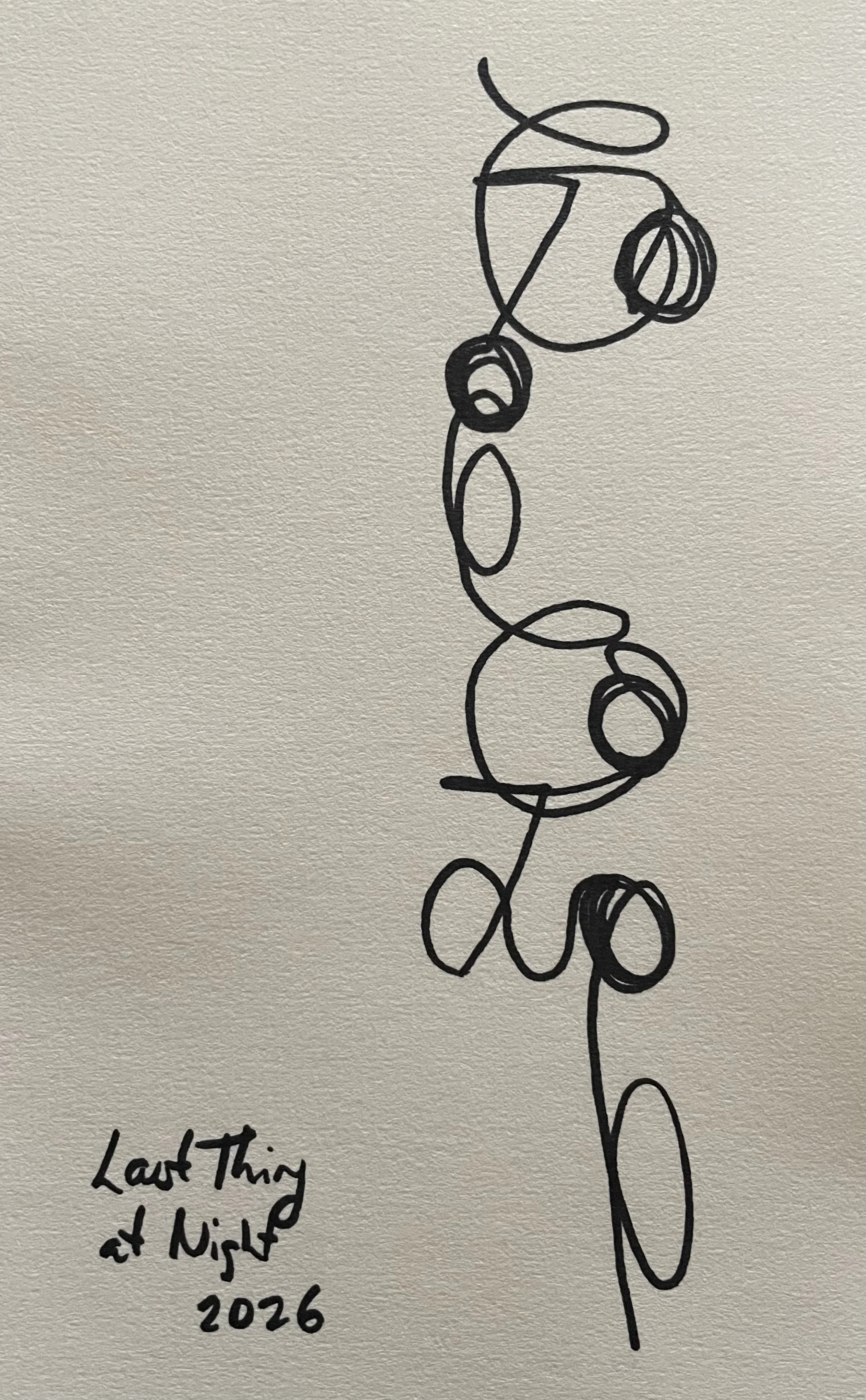
Inspired by historical dance diagrams and instructions that guided bodies through queer social landscapes from the seventeenth century onward, and in explicit refusal of the twentieth-century revivalists who sought to heteronormalize the archive of traditional dance, my artistic practice flips the archival script, using queer movement to create diagrams that document, rather than dictate, paths of dance-travel. In this way, the dance becomes an alternative archive that ceremonially re-centers queer experience in social dance history.
Choreography
Dance can be structurally queer or gender-bending, either by virtue of the performer or the choreography — and audiences from the 17th century to the 21st have embraced these experiments.
As a choreographer, I am interested in the way that we can use the emergent mechanics of modern contra dance to develop new conventions for ungendered dance choreography.
I call these new contras ‘Arky’, after a vernacular term used in the 1980s and 1990s to describe traditional figures danced from an unexpected position. Find my arky dances on my choreography page!

Visual Art
Inspired by historical dance diagrams and instructions that guided bodies through queer social landscapes from the seventeenth century onward, and in explicit refusal of the twentieth-century revivalists who sought to heteronormalise the archive of traditional dance, my artistic practice flips the archival script, using queer movement to create diagrams that document, rather than dictate, paths of dance-travel.
In this way, the dance becomes an alternative archive that ceremonially re-centers queer experience in social dance history.
Check out the art that’s part of Dancing Queer History in my portfolio:
History
Throughout the 17th, 18th, and 19th centuries, dances were used to mark, allude to, or celebrate current events and popular culture. In other words, although the dance figures were generic and mostly described when published in terms of binary, heterosexual couples, the stories they told sometimes strayed intentionally far from that norm.
This brief list of dances with queer connections indicates the range and breadth of this history.
I run participatory dance workshops with these dances and more for groups of all sorts; if you’re interested, please ask me about working with your group or event!
Half Hannikin (1651)
Mad Robin (1686)
Emperor of the Moon (1690)
The Hole in the Wall (1696)
Mad Moll (1698)
The Woman’s the Man (1699)
The Female Saylor (1706)
The Fair Quaker of Deal (1718)
Three-Hand Reel (ca. 1790)
Something Different (before 1983)
Impropriety (1999)
Swing Both Ways (2019)
Kyriarky (2025)
Language
Gender-free calling is increasingly the norm for social folk dancing around the world, and there are various strategies that have been developed for different styles.
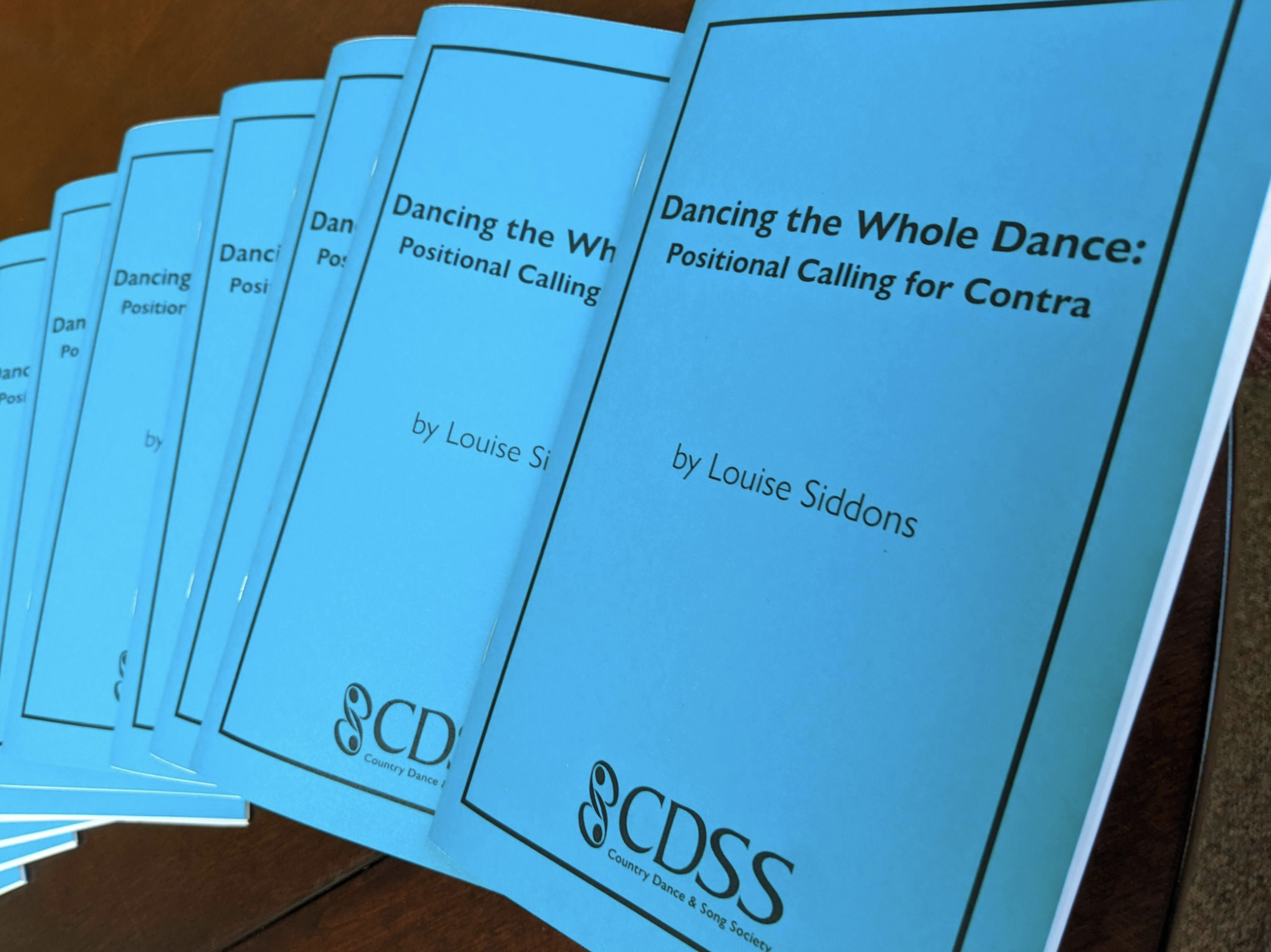
I pioneered the use of positional calling — calling without role terms of any kind — for contra dancing in the late 20-teens. You can buy the book I wrote about positional calling from the Country Dance and Song Society (CDSS), or directly from me if you’re outside the USA.
Positional calling invites us to use what we know about dance structure, momentum, and flow to teach and call for diverse dancers effectively and efficiently. Because it doesn’t call attention to binary dance roles, it encourages dancers to think expansively about their choices of where and with whom to dance — and it encourages callers to think beyond the binary frameworks that dominate turn-of-the-21st-century contra dancing.