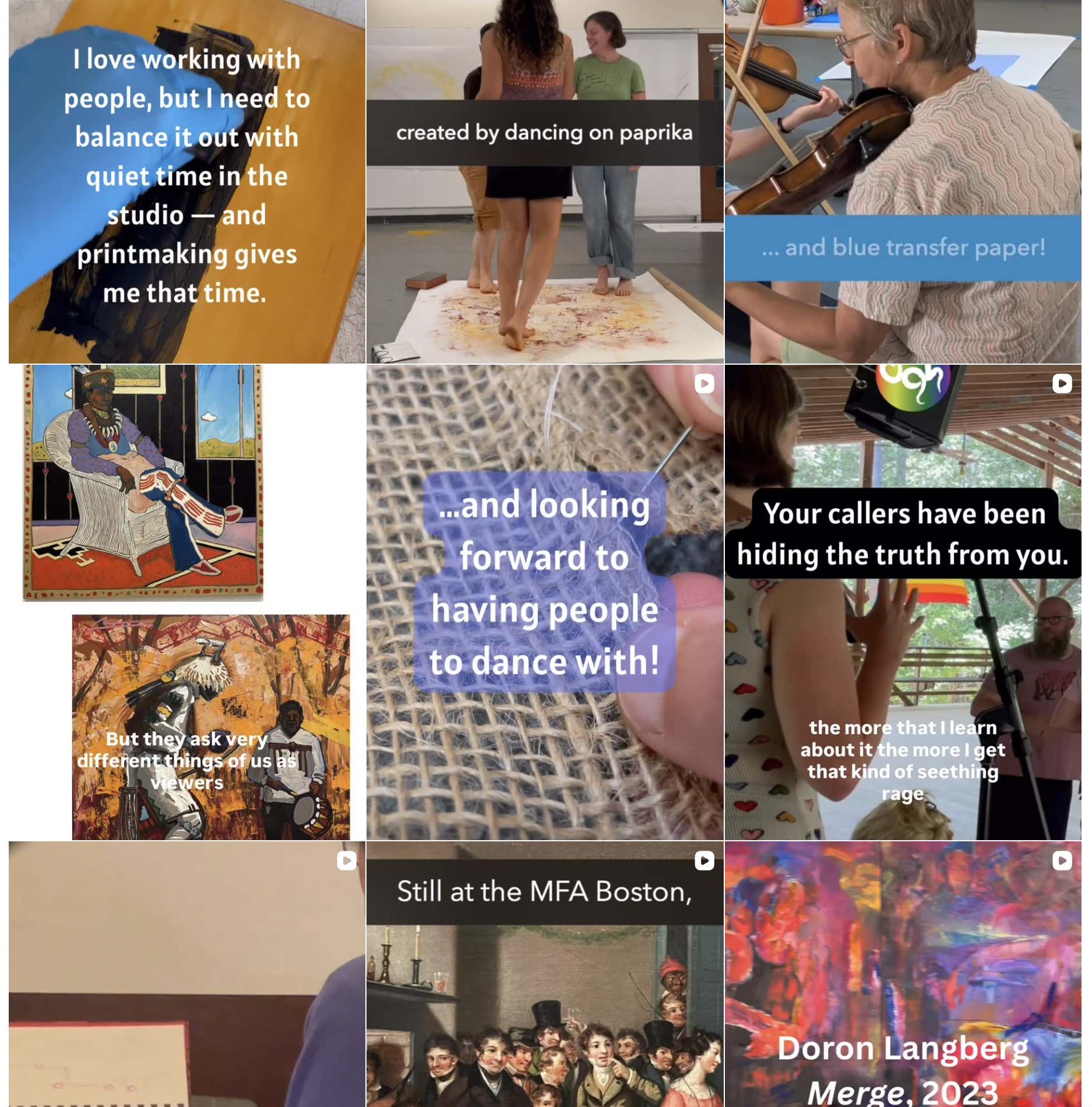
Current Projects
Sometimes scandalous, sometimes utopian, and sometimes the simple result of circumstance or opportunity, queer history hides in plain sight throughout the living tradition of Anglo-American social folk dance.
Dancing Queer History is a multimodal research project that resurfaces queer histories in the social folk dance tradition, generates and celebrates emergent queer folk choreography, and uses creative practice to learn more about the living, embodied queer archive of social dance — and share its joy with a wider audience.
Dancing Queer History
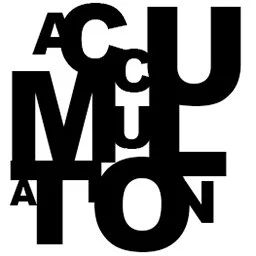
Since 2011, I’ve been documenting contemporary art that employs the aesthetic of accumulation, exploring the implications of its appeal.
The Aesthetic of accumulation
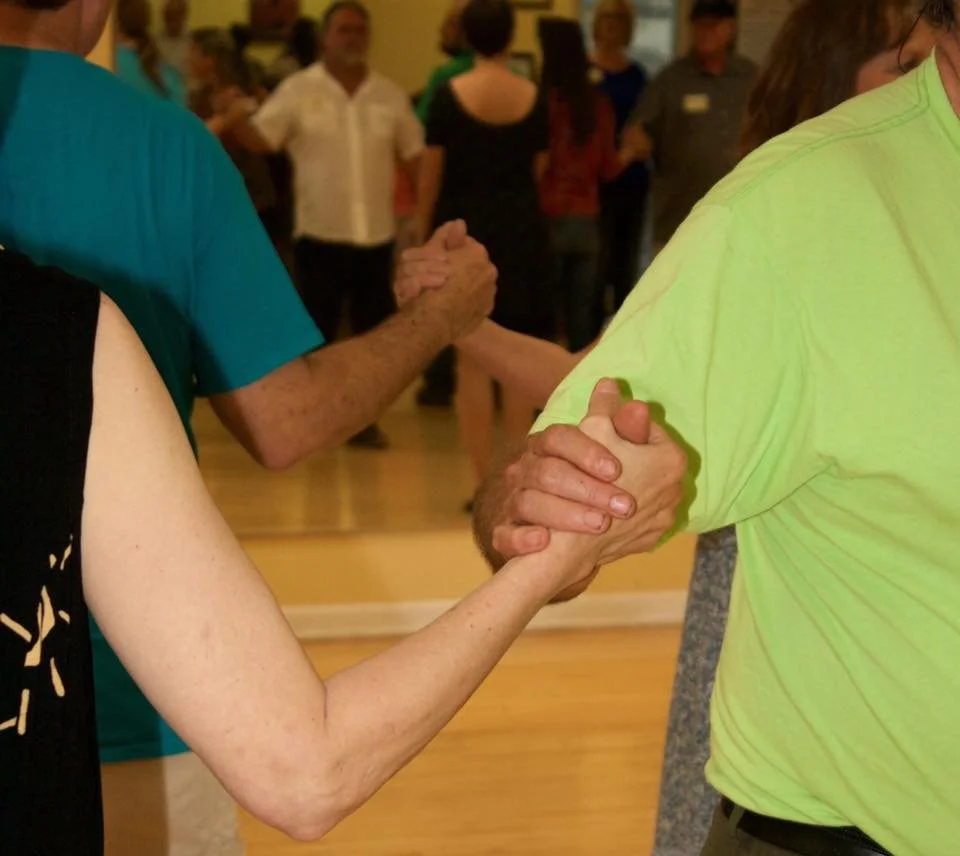
This list began at a workshop held during CDSS's Pinewoods English Week in 2016. Get in touch to add your own contribution!
I am for dancing that…
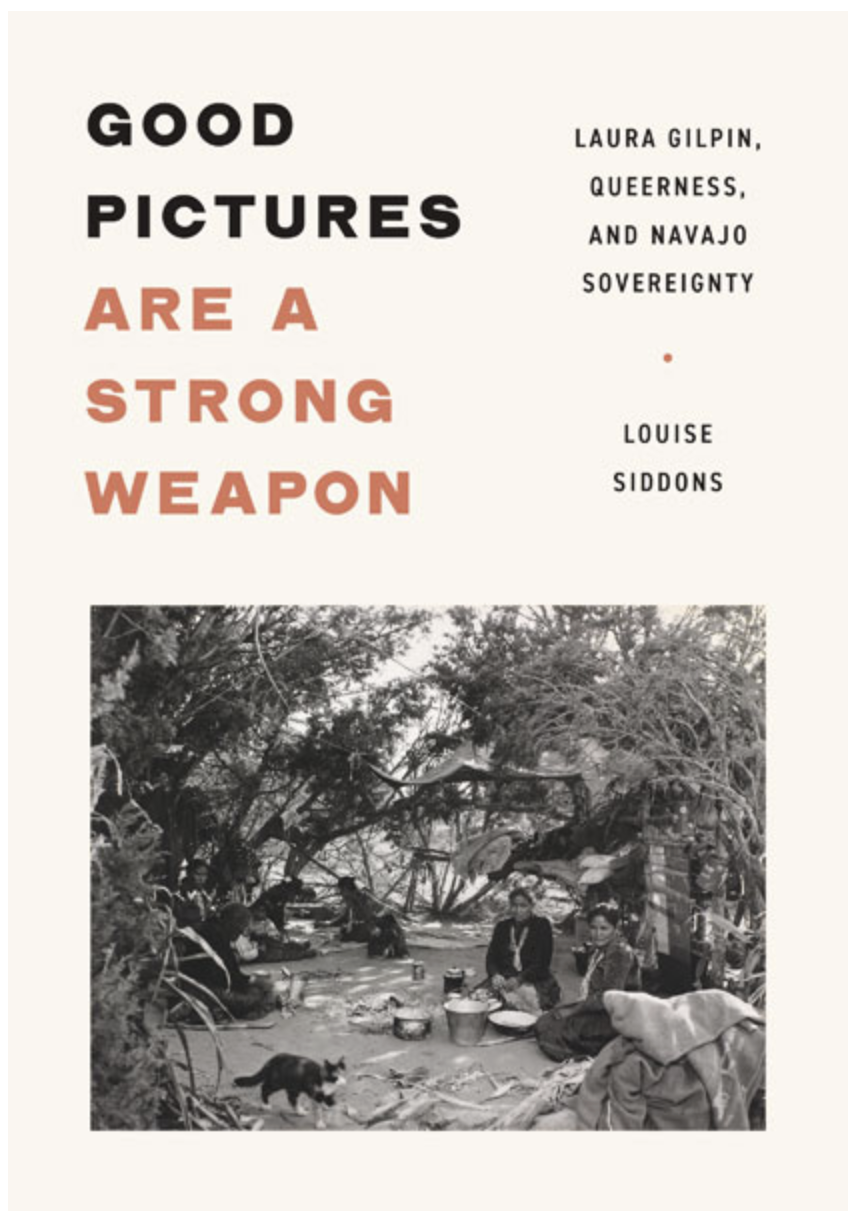
Good pictures are a strong weapon
Winner of the 2025 Photography Network Book Prize
Nominated for the 2026 Beatrice Medicine Award for Scholarship in American Indian Studies
From the publisher: “A fundamental dilemma exists in documentary photography: can White artists successfully portray Indigenous lives and communities in a manner that neither appropriates nor romanticizes them? With an attentive and sensitive eye, Louise Siddons examines lesbian photographer Laura Gilpin’s classic 1968 book The Enduring Navaho to illuminate the intersectional politics of photography, Navajo sovereignty, and queerness over the course of the twentieth century.”
Praise for Good Pictures Are A Strong Weapon:
“Your approach to … Gilpin’s position is wonderfully complex and nuanced, and your readings of the images are so rich. What an enjoyable read.” (Prof David Carlson, California State University San Bernardino)
“You have developed an appealing voice that so carefully and rationally leads the reader into your way of seeing (and Gilpin’s). … It [is a] journey that you take your reader on—and I found it a fascinating and emotionally satisfying adventure.” (Prof Wanda Corn, emerita, Stanford University)
“[T]his book is an excellent example of an intersectional art-historical monograph, impressive for its incredibly productive dialogue between queer and Indigenous studies.” (Jackson Davidow in the Brooklyn Rail)